


Lithuania, Ukraine and Latvia held a high level debate in Geneva over human rights violations in Crimea
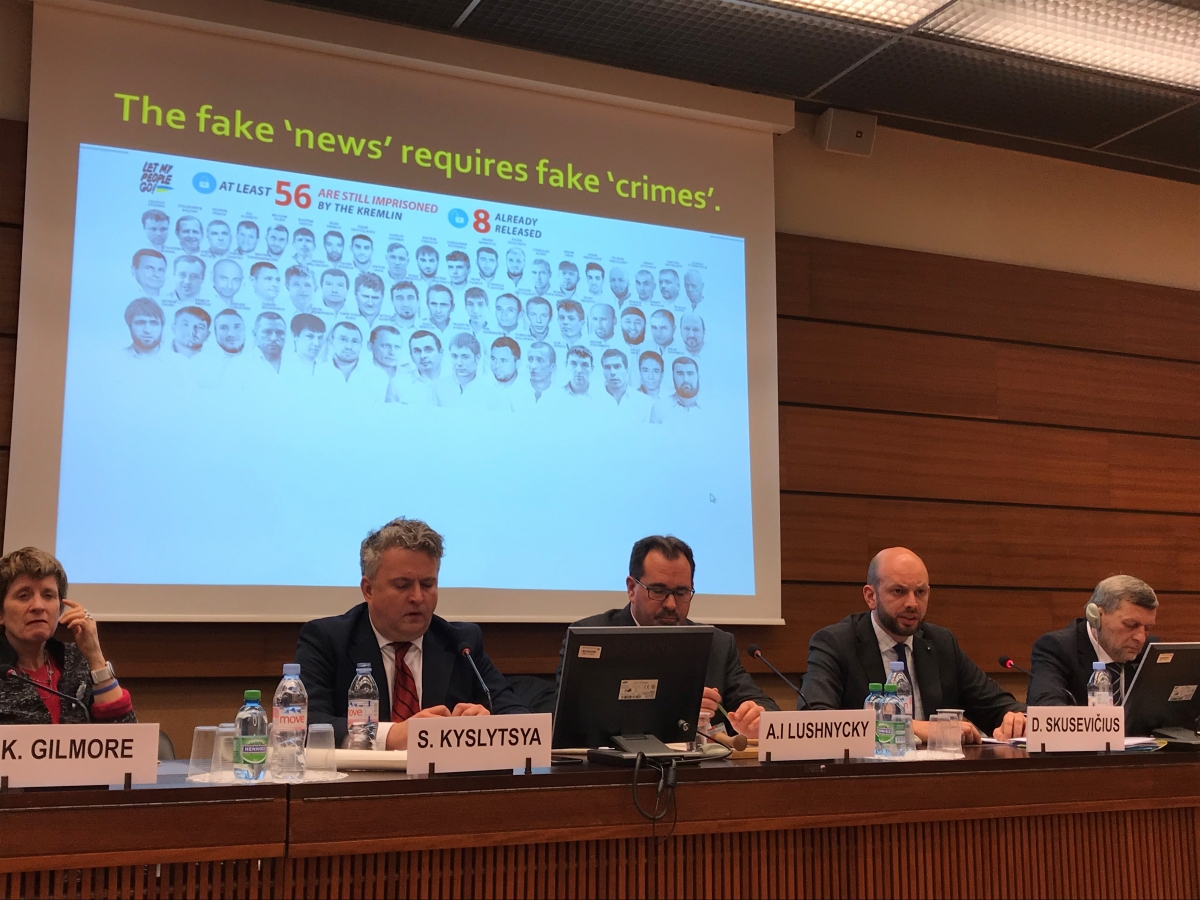
During the 37th session of the UN Human Rights Council on 27 February, the Vice Minister of Foreign Affairs of Lithuania Darius Skusevičius together with the Ukrainian Vice Minister of Foreign Affairs Sergiy Kyslytsya and the Chairman of the Mejlis of the Crimean Tatar People Refat Chubarov held a debate to discuss the human rights situation of the Crimean Tatars on the Russian-occupied Crimean Peninsula.
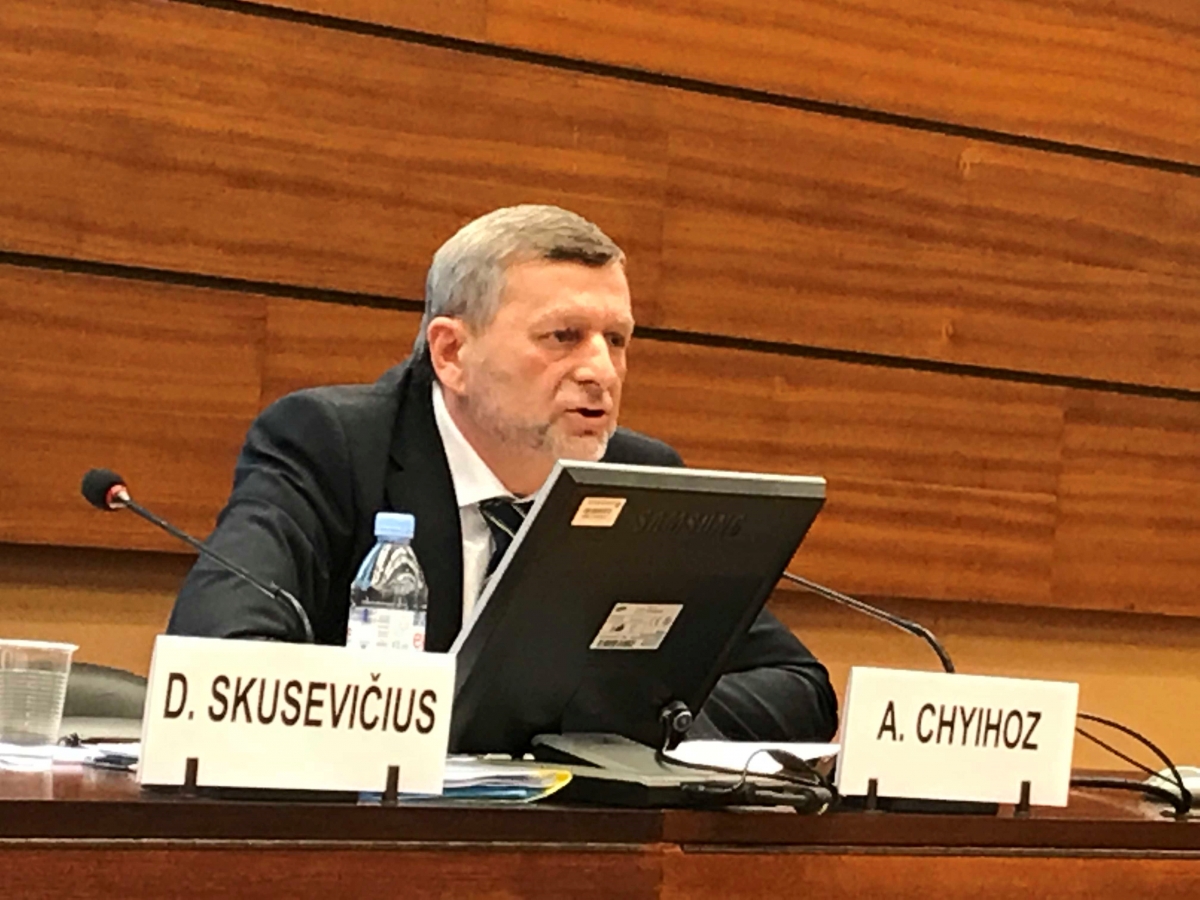
The United Nations Deputy High Commissioner for Human Rights Kate Gilmore and Vice Chairman of the Mejlis of the Crimean Tatar People, former political prisoner Ahtem Chyihoz also attended the event. The debate was initiated and organized by the Lithuanian, Ukrainian and Latvian Permanent Missions in Geneva.
Lithuania’s Foreign Vice Minister voiced his concern over the ongoing human rights violations, as well as systematic pursuit of direct repressive policies aimed at human rights defenders, journalists, the Crimean Tatar community and civil society.
“Today we are facing the phenomena of political prisoners in the middle of Europe. The occupying power in Crimea is using unlawful persecution and detention, enforced disappearance, torture and selective application of law tactics against Crimean tartars seeking to break their political will of” said D. Skusevičius. Vice Minister urged the international community to keep the human rights situation in illegally annexed Crimea high on international agenda and to continue to exercise its political pressure on Russia requiring to fully comply with international human rights standards and ensure unimpeded access of international human rights monitoring missions in Crimea.
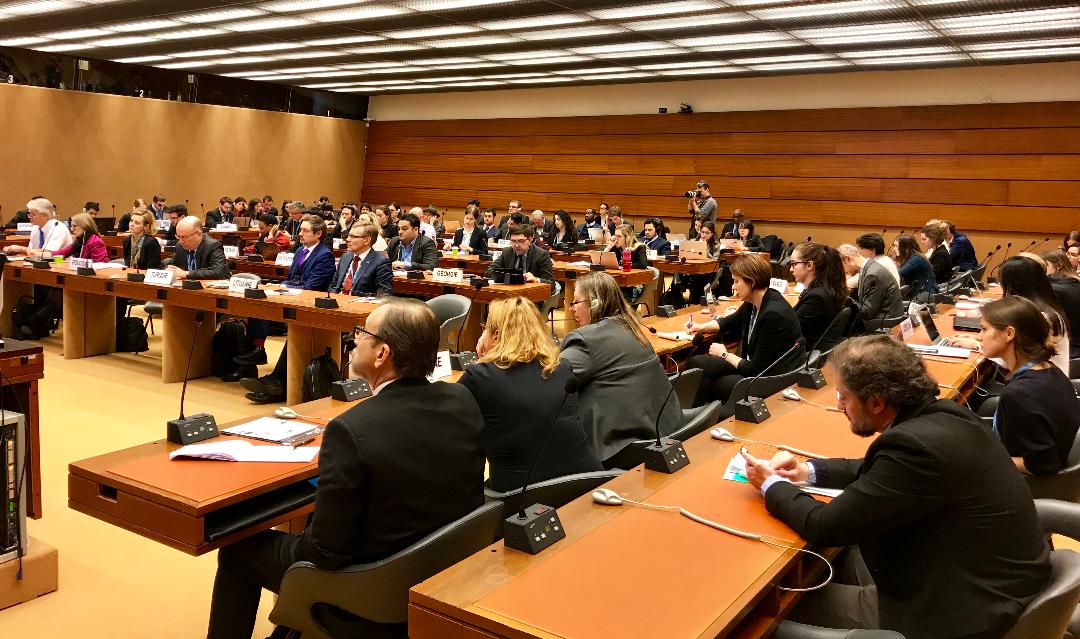
The United Nations Deputy High Commissioner for Human Rights Gilmore criticized Russia for the application of legislation for the fight against terrorism and separatism against the population of Crimea, and not allowing access for international observers to Crimea. The UN recommendations remain unimplemented. The Crimean Tatar leader Chubarov called on the international community to prevent Russia from repeating the mass repressions of the 20th century against the Crimean Tatar community by the Soviet Union, when Crimean Tatars were deprived of their native land, language, culture and historical heritage. A. Chyihoz emotionally shared his experience of unlawful persecution and detention in Crimea by occupying power. The representatives of Latvia, Poland, Turkey, Georgia, France and the United Kingdom voiced their countries’ support for the protection of human rights of Crimean tartars and the territorial integrity of Ukraine while condemning the policy used by the Russian Federation.
Since the very beginning of the occupation of Crimea, Russia took active repressive measures against ethnic Ukrainians, Crimean Tatars, and human rights activists, who opposed Russia’s annexation of Crimea in 2014. The freedom of expression, the freedom of peaceful assembly, the freedom of religion or belief are constantly violated in Crimea. It should be noted that Russia strongly opposes giving access to Crimea for experts of the UN Human Rights Monitoring Mission in Ukraine, while the Mission’s recommendations on the human rights situation in Crimea have not been implemented yet.
